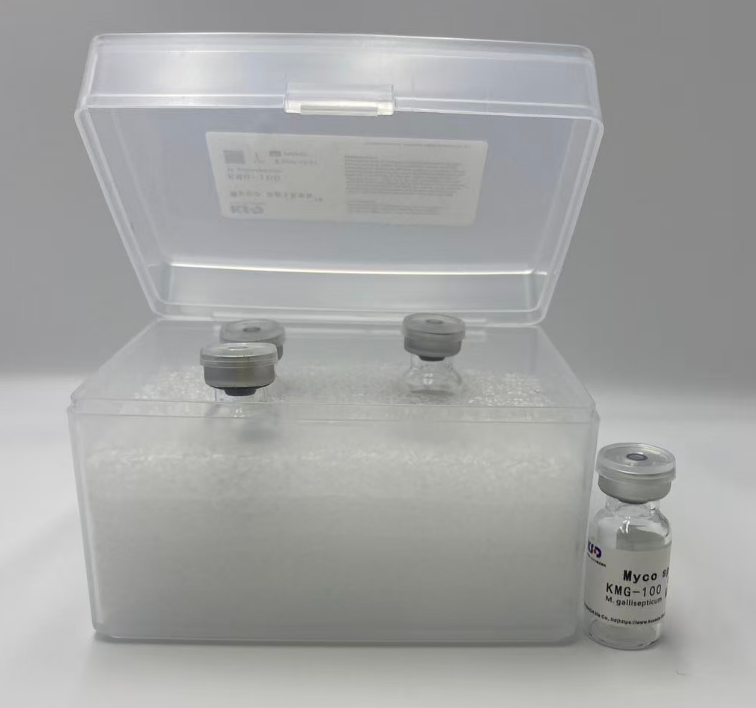
Product Description (FDA QC/Regulatory Terminology Style)
Mycoplasma contamination constitutes a critical quality and safety risk in cell culture systems and in the manufacture of biopharmaceutical products, including Advanced Therapy Medicinal Products (ATMPs). In accordance with the requirements outlined in European Pharmacopoeia 2.6.7, United States Pharmacopeia <77>, and Japanese Pharmacopoeia 18 G3, validated analytical methods must demonstrate the capability to reliably detect both cultivable and non-cultivable mycoplasma species.
The Myco spikesTM Mycoplasma Standards have been specifically developed to support compliance with these compendial requirements and are intended for use as External Positive Controls (EPCs) within routine quality control testing. These standards are manufactured in alignment with EP 2.6.7 (Edition 12.2) and are rendered non-infectious, ensuring safe handling under standard laboratory conditions. Following reconstitution, defined quantitative levels of the standard are spiked into the relevant product or sample matrix to enable performance qualification of the assay under routine operating conditions, as well as to support determination and verification of the Limit of Detection (LOD).
Application-Specific Relevance
Mycoplasma gallisepticum is a representative avian-associated mycoplasma species commonly linked to poultry- and egg-derived raw materials and plants. It facilitates matrix-specific evaluation of potential mycoplasma contamination risks and supports the development, qualification, and ongoing monitoring of contamination control strategies within such production systems.
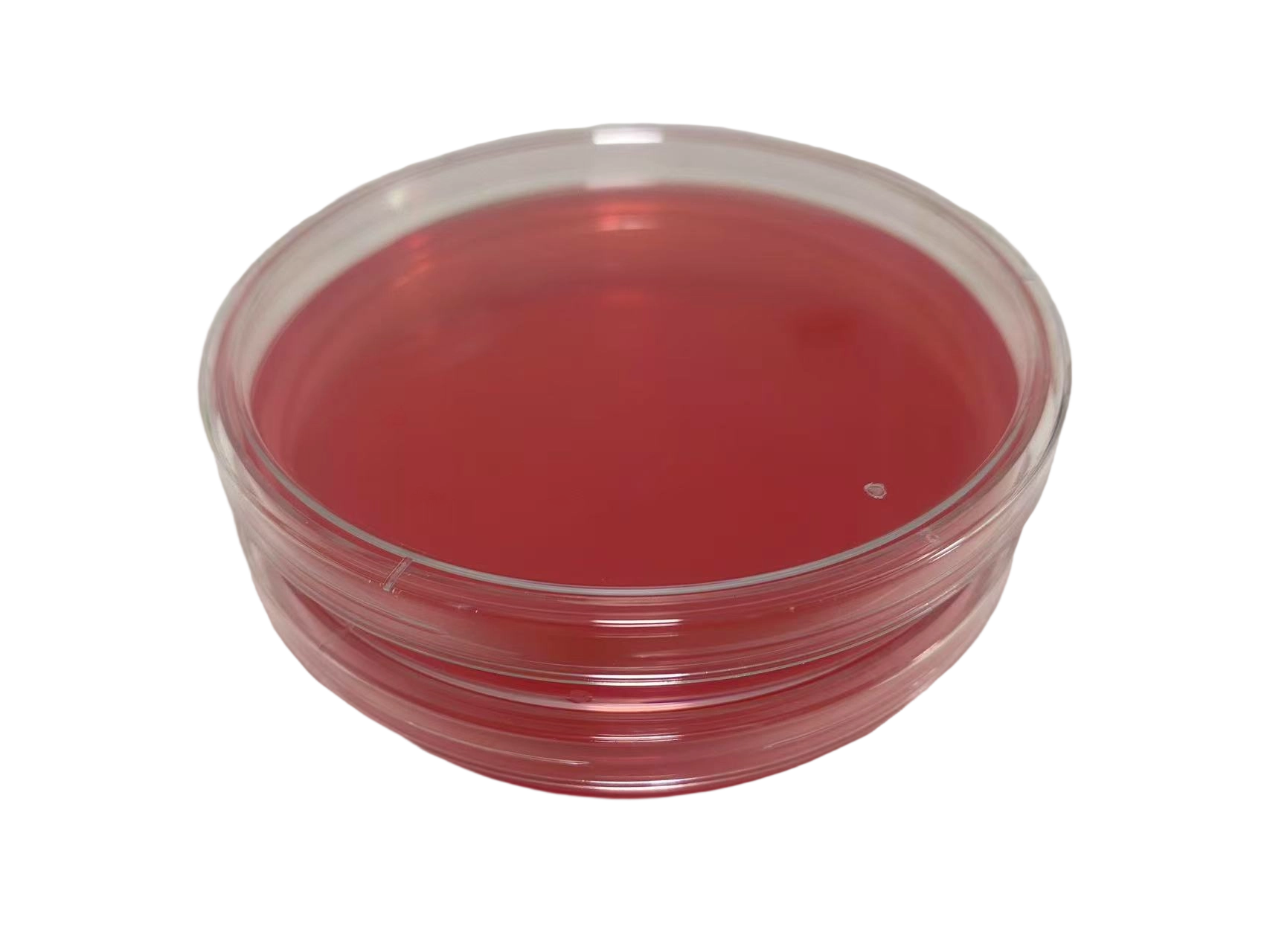
suitable for microbiology, plate diam. 60 mm, For general mycoplasma detection, pack of 10 plates,box of 10 packs
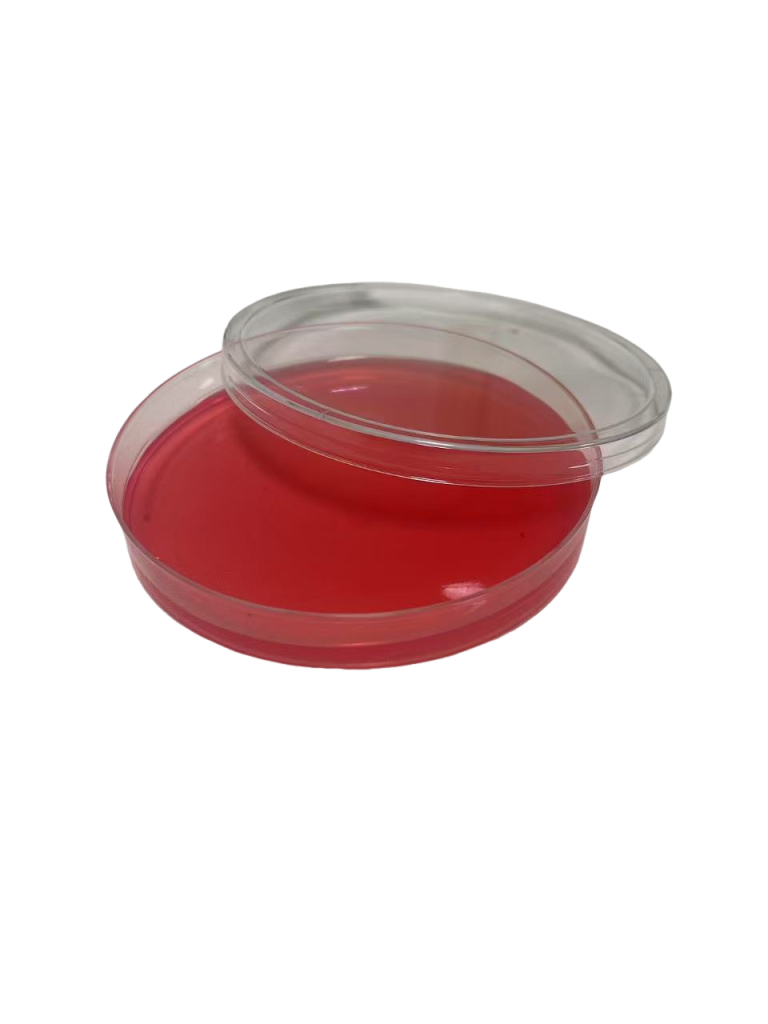
suitable for microbiology, plate diam. 60 mm, For general mycoplasma detection, pack of 10 plates,box of 10 packs
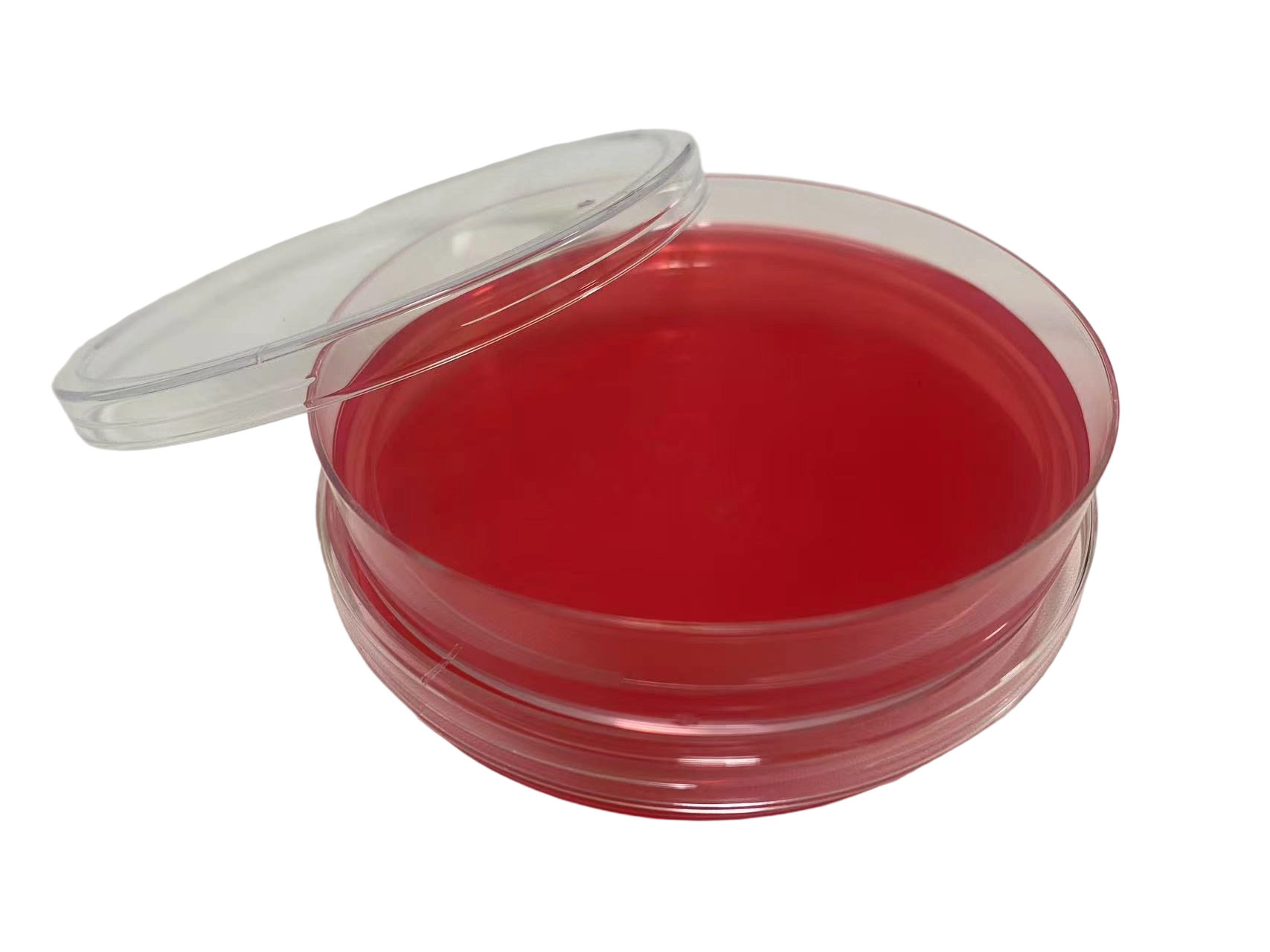
suitable for microbiology, plate diam. 60 mm, For general mycoplasma detection, pack of 10 plates,box of 10 packs
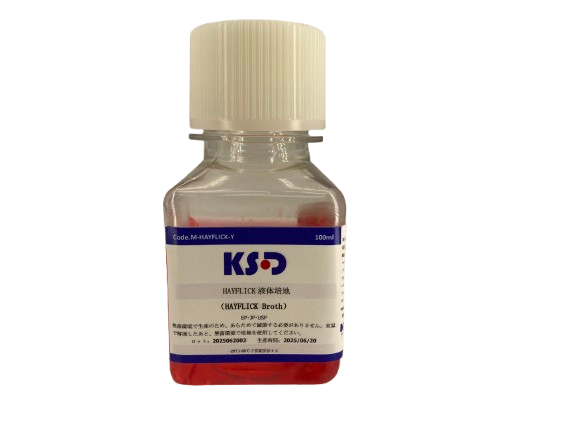
suitable for bioburden testing, For mycoplasma detectionsuitable for bioburden testing, For mycoplasma detectionsuitable for bioburden testing, For mycoplasma detectionsuitable for bioburden testing, For mycoplasma detectionsuitable for bioburden testing, For mycoplasma detectionsuitable for bioburden testing, For mycoplasma detectionsuitable for bioburden testing, For mycoplasma detectionsuitable for bioburden testing, For mycoplasma detection
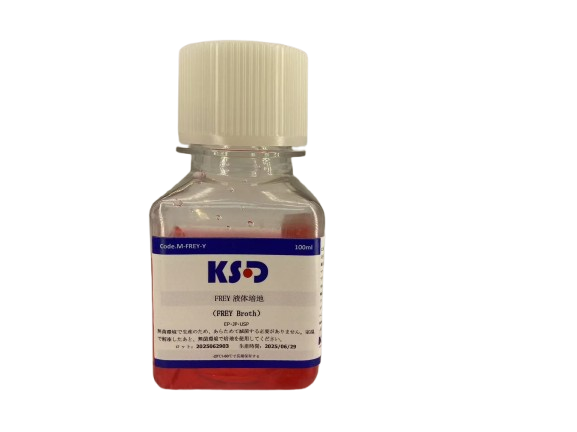
suitable for bioburden testing, For mycoplasma detection
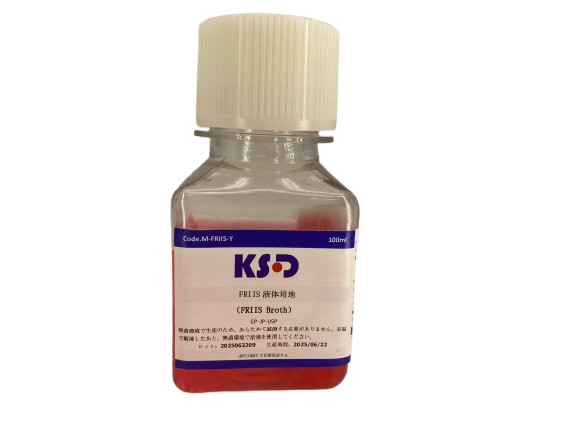
suitable for bioburden testing, For mycoplasma detection

An additive suitable for cell and mycoplasma culture, at a concentration 10 times higher than the conventional concentration.
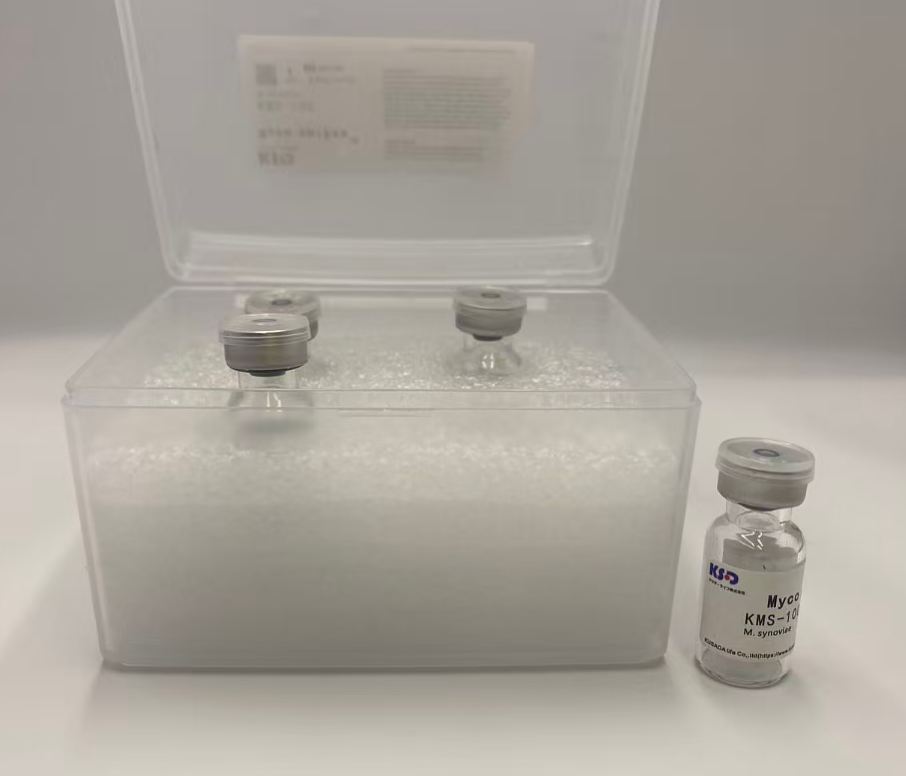
Mycoplasma salivarium