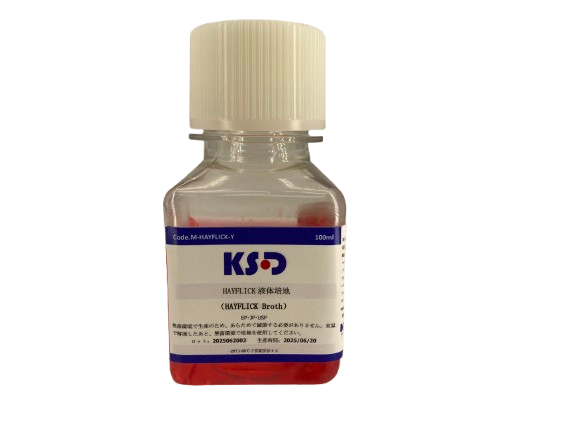
HAYFLICK broth is enriched with horse serum, supplying biologically-available cholesterol and long-chain fatty acids that are essential for mycoplasmal membrane biogenesis. Exogenous deoxyribonucleic acid (DNA) is incorporated as a source of purine and pyrimidine bases, which Mycoplasma spp. are unable to synthesize de novo.
Growth-associated acid or alkaline shifts are detected by the phenol-red pH indicator, manifesting as a transition of the medium from red to yellow—or occasionally to purple—thus providing a rapid, visual proxy for mycoplasma proliferation. Penicillin G is included to selectively suppress concomitant bacterial contaminants while sparing mycoplasmal cells.
Supplementation with a defined lipid mixture (cholesterol + fatty-acid precursors) further enhances biomass yield and colony-forming efficiency, a benefit that is especially pronounced for lipid-dependent strains such as Mycoplasma pneumoniae ATCC 23714.
HAYFLICK Broth is used for the general detection of mycoplasmas in pharmaceutical products, especially in bulk vaccines, cell banks, and virus cultures.
Hayflick medium, developed in 1965, was the first to culture mycoplasmas without using chicken embryos. However, it struggled to support avian mycoplasmas.
In 1975, Frey medium was developed in the U.S. as an improvement, especially for more types of mycoplasmas.
Friis medium came later, further optimized for difficult strains like Mycoplasma hyorhinis (M.h.).
Microscopy is the gold standard. At low magnification (4× objective, 10× eyepiece), all mycoplasmas look similar. At higher magnification (~100× objective), morphological differences emerge:
M. pneumoniae appears as tight clusters,
M. hyorhinis has dispersed, filamentous cytoplasm,
M. orale looks like rounded clusters of small cells.
CO₂ does stimulate growth for some strains, but not all. For example, M. pneumoniae grows well with or without CO₂, while oral strains show stronger dependency. The need can often be predicted based on the natural environment of the strain. However, using CO₂ incubation universally is a safe standard.
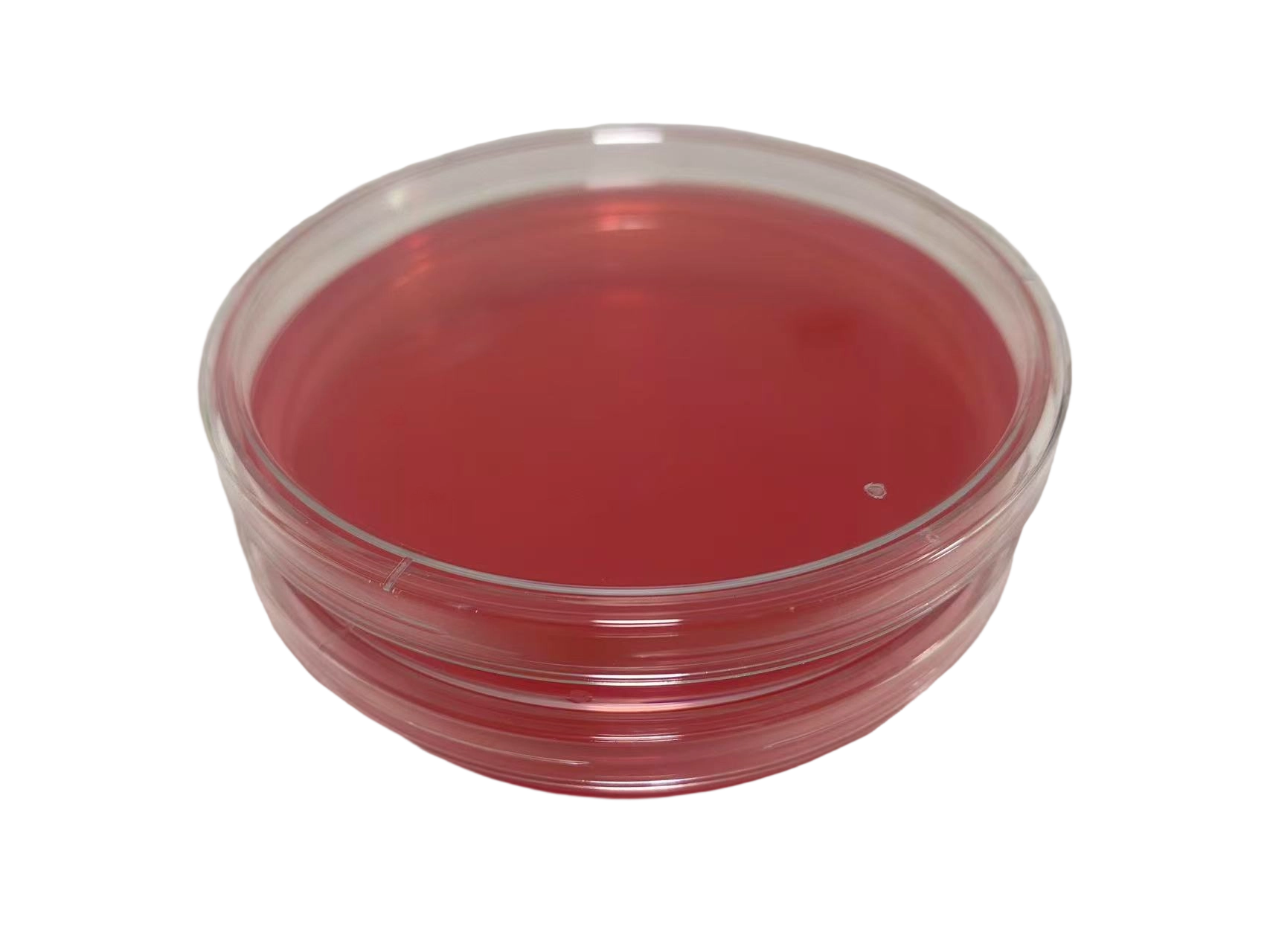
suitable for microbiology, plate diam. 60 mm, For general mycoplasma detection, pack of 10 plates,box of 10 packs
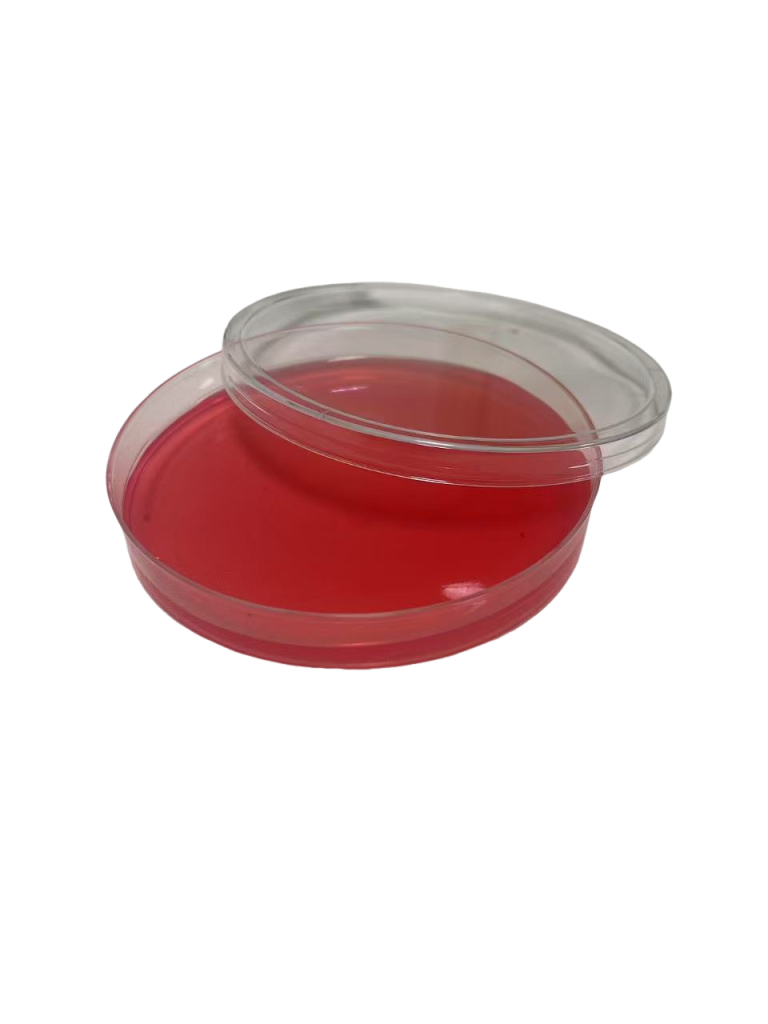
suitable for microbiology, plate diam. 60 mm, For general mycoplasma detection, pack of 10 plates,box of 10 packs
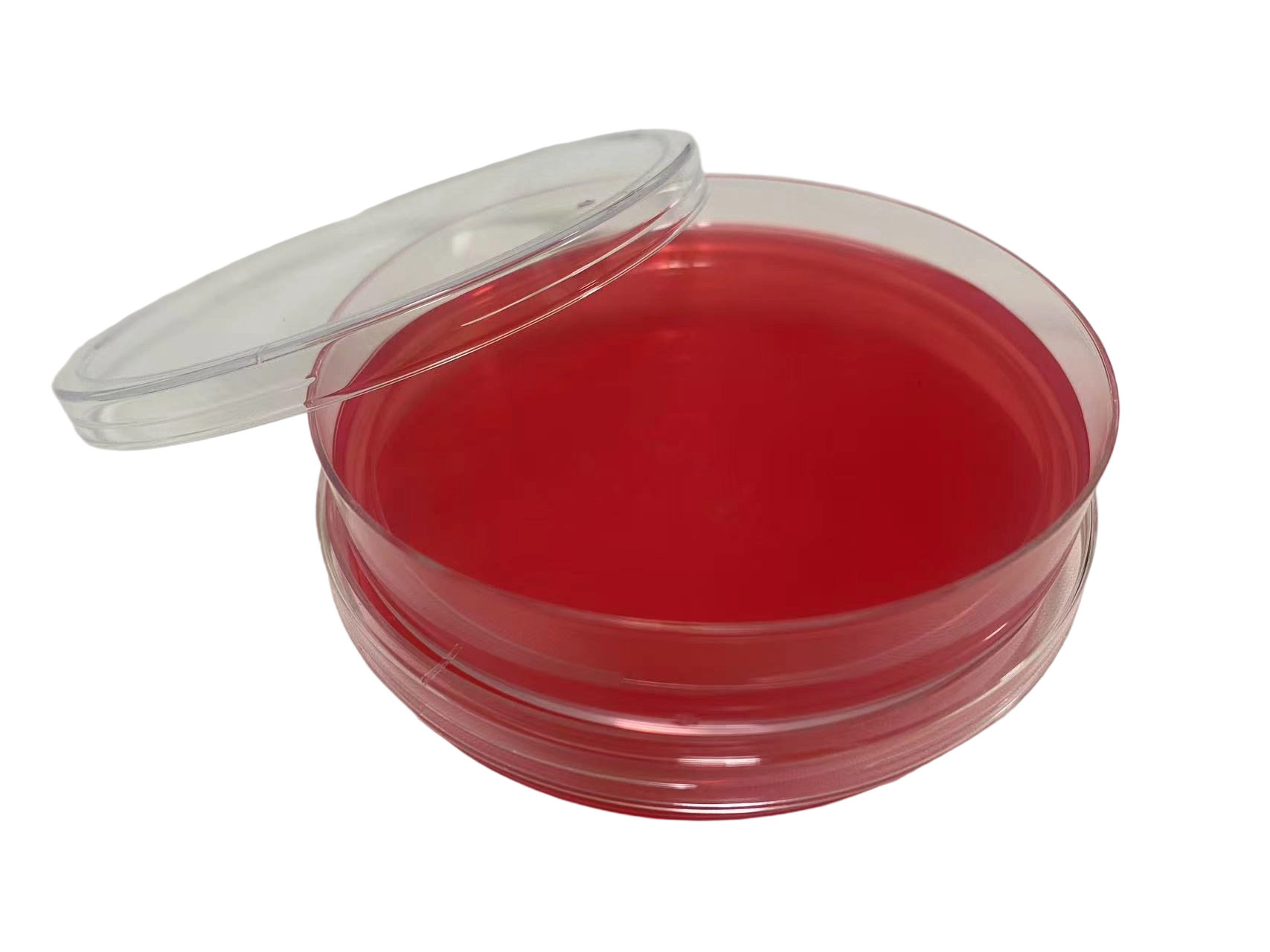
suitable for microbiology, plate diam. 60 mm, For general mycoplasma detection, pack of 10 plates,box of 10 packs
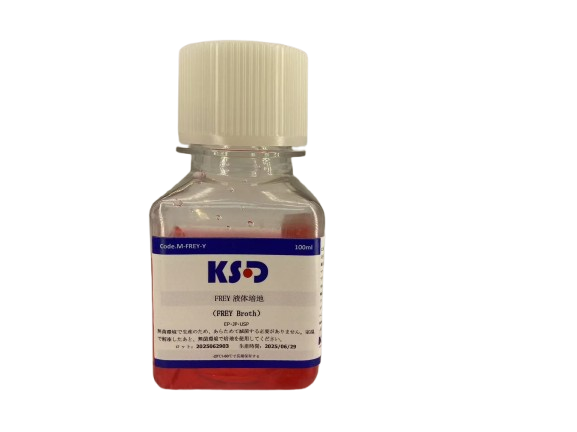
suitable for bioburden testing, For mycoplasma detection
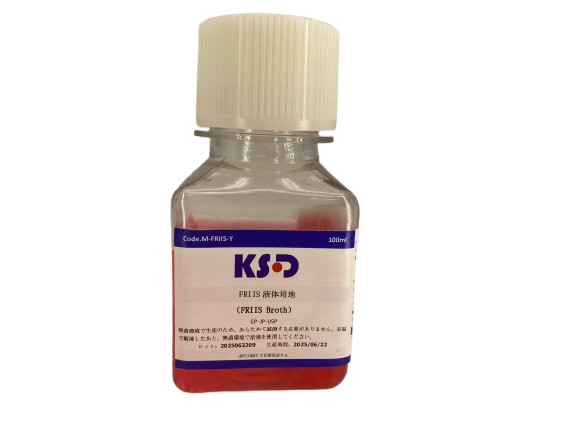
suitable for bioburden testing, For mycoplasma detection
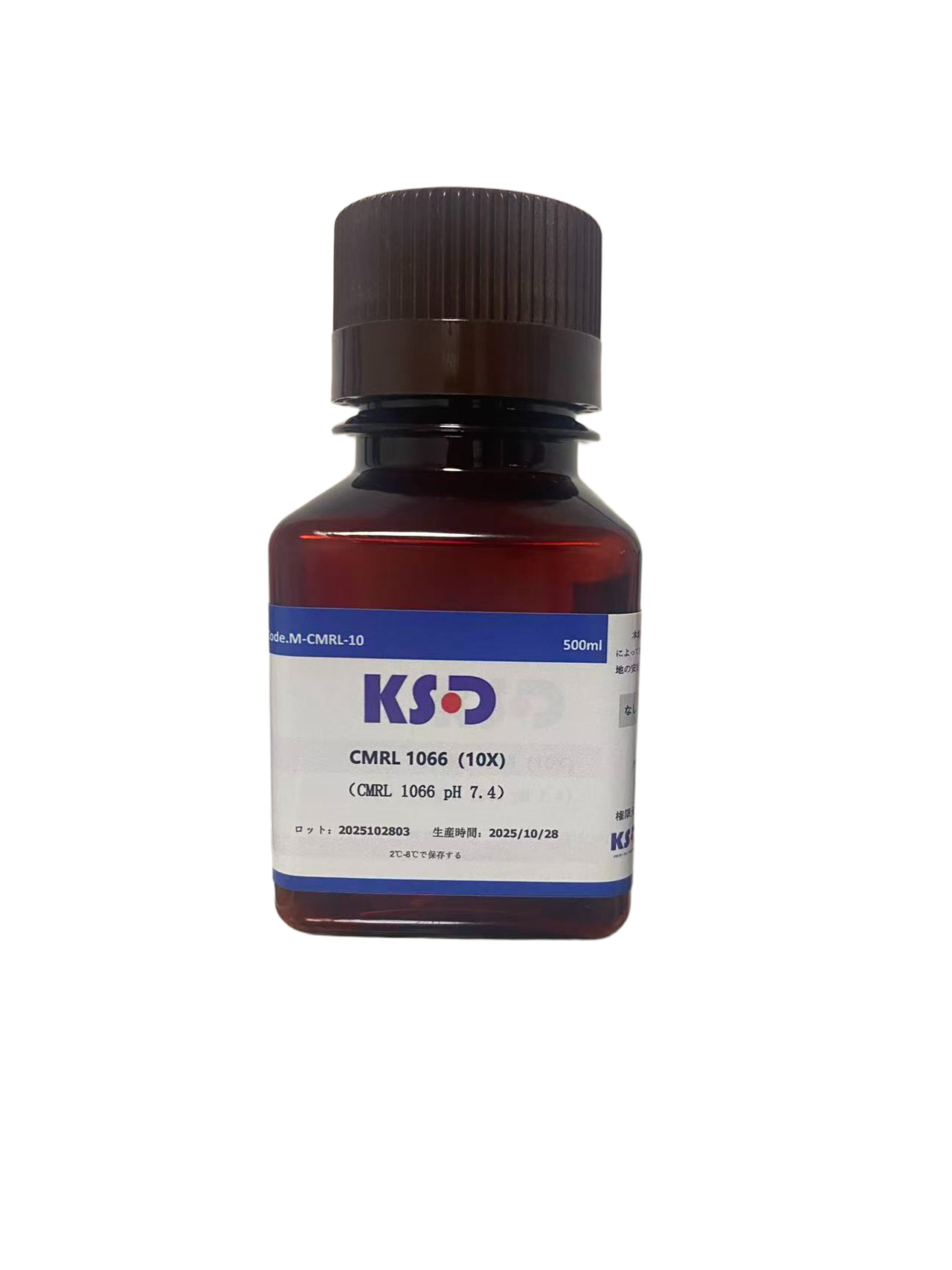
An additive suitable for cell and mycoplasma culture, at a concentration 10 times higher than the conventional concentration.
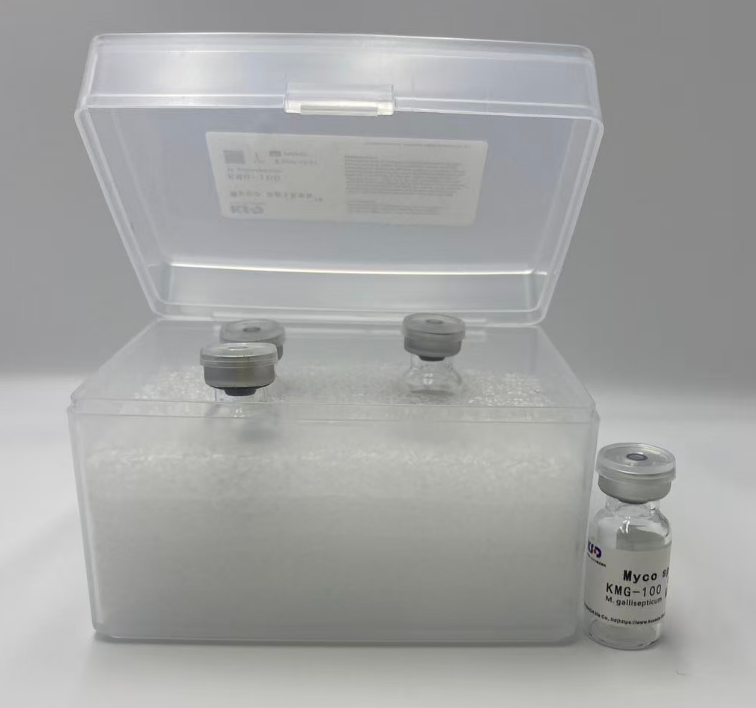
Mycoplasma gallisepticum
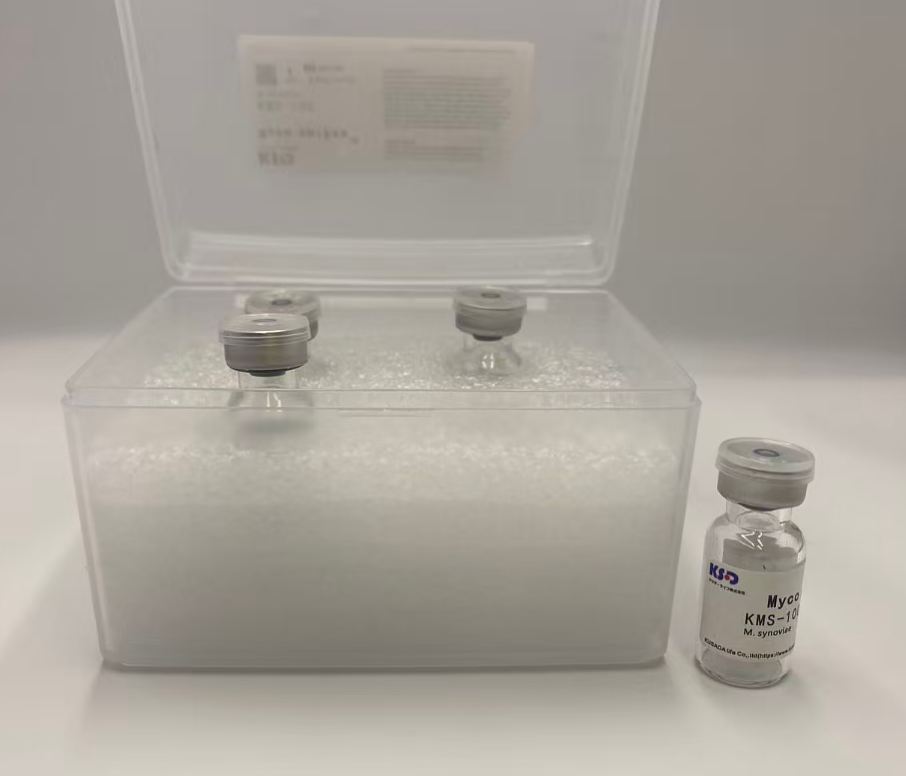
Mycoplasma salivarium