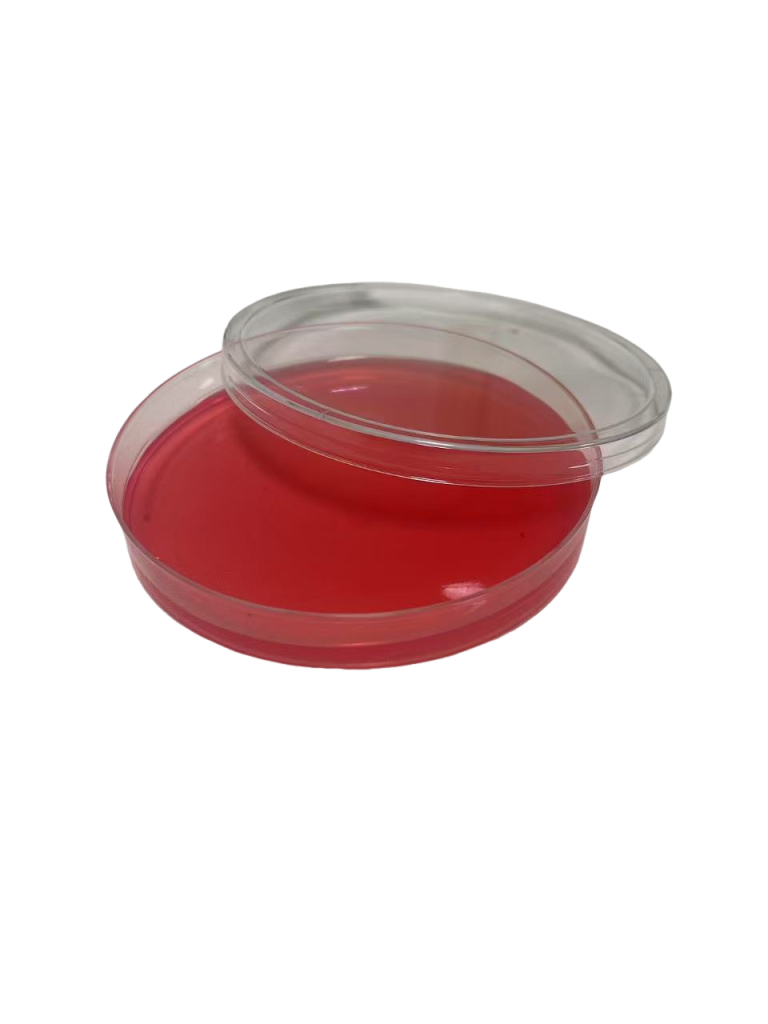
FREY agar is a nutritionally enriched, semi-selective solid medium designed for the cultivation and detection of avian mycoplasmas. The formulation is supplemented with nicotinamide adenine dinucleotide (NAD⁺), a critical coenzyme required for the growth of NAD-dependent species such as Mycoplasma synoviae.
The presence of phenol red as a pH indicator enables visual monitoring of metabolic activity, with a color shift from red to yellow (acidic) or purple (alkaline) signaling the proliferation of mycoplasmal organisms. To selectively inhibit contaminating bacterial flora while preserving mycoplasma viability, penicillin G is incorporated into the medium.
Furthermore, the addition of exogenous lipid supplements by yolk without antibiotic—including cholesterol and long-chain fatty acids—enhances the overall growth performance of lipid-requiring strains, particularly ATCC 23714 (M. pneumoniae), by supporting membrane biosynthesis and optimal colony formation.
Mycoplasma hyorhinis is one of the least-studied mycoplasmas and has highly demanding nutritional requirements, making it among the most difficult to culture. Method II is often used for its detection. Porcine serum is commonly added to culture media to meet its high lipid demands. However, antibiotics present in porcine serum can hinder growth. This strain is also sensitive to many common components in traditional mycoplasma media and is highly susceptible to most veterinary antibiotics (except β-lactams). Thus, extreme caution must be taken with media formulation and raw materials.
Mycoplasma is more fragile than bacteria and must be preserved and transported in media with protective agents. The CDC recommends viral transport medium (VTM) formulations or cold-stored culture media (with glycerol if frozen). Transport should be completed within 72 hours (CDC recommendation), and in any case, within 5 days, as longer durations result in significant viability loss or complete cell death.
Mycoplasma grows slowly, especially on agar. When the initial CFU is low, liquid culture is necessary for enrichment. Relying solely on agar plates may result in false negatives due to low visibility.
On the other hand, liquid cultures may change color due to many unrelated factors. Thus, using only liquid or only agar is insufficient—both are required for accurate detection.
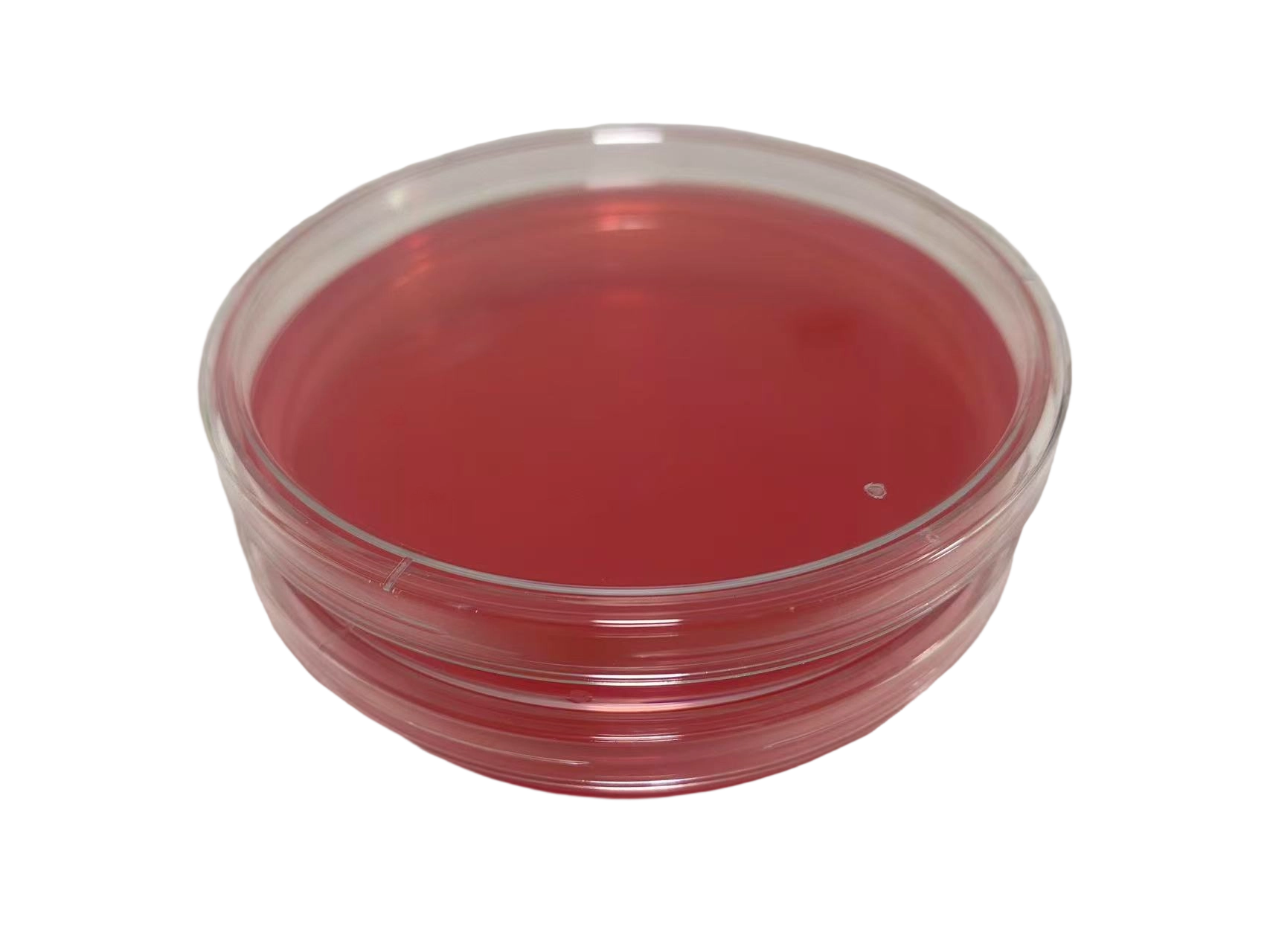
suitable for microbiology, plate diam. 60 mm, For general mycoplasma detection, pack of 10 plates,box of 10 packs
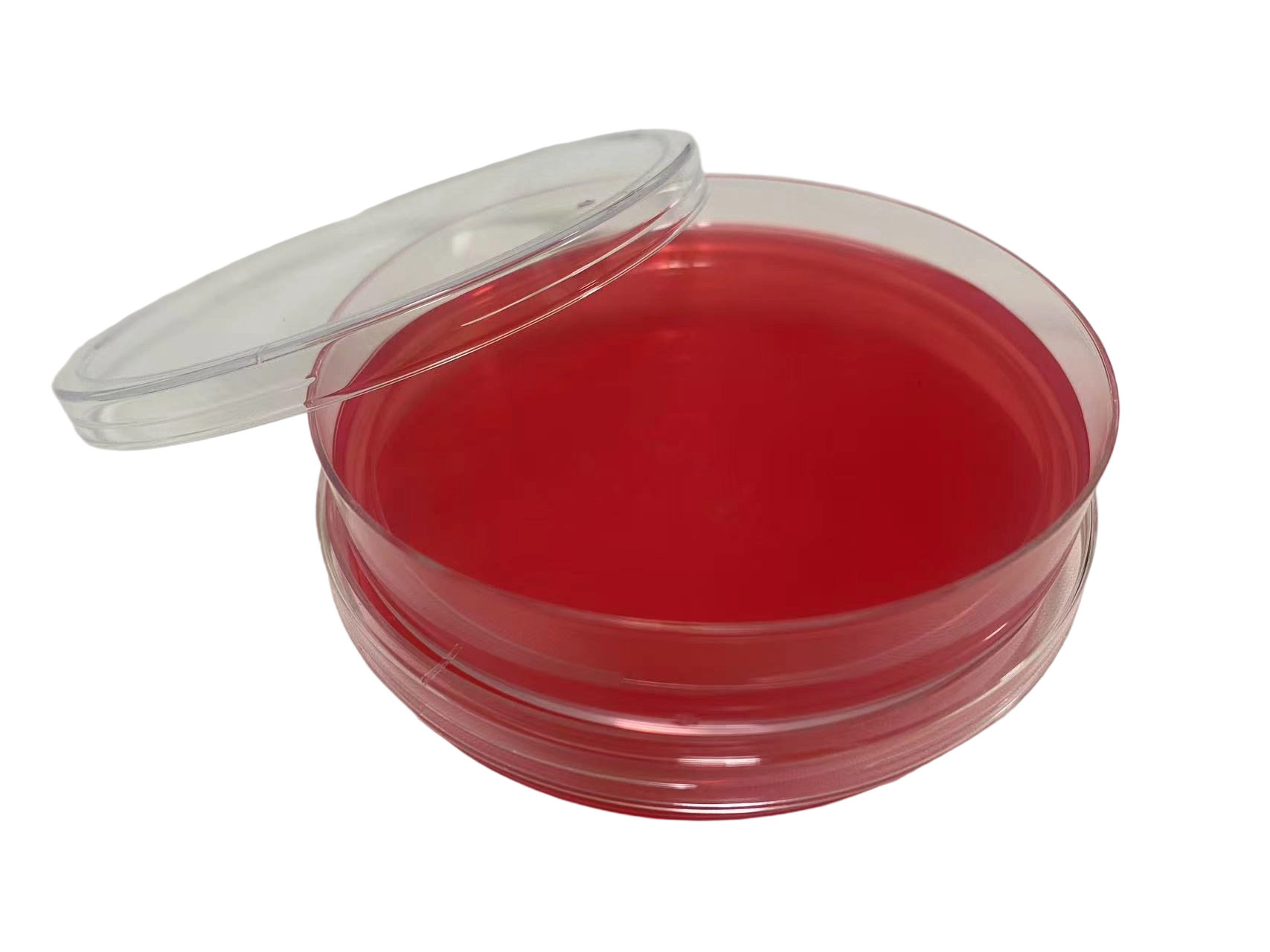
suitable for microbiology, plate diam. 60 mm, For general mycoplasma detection, pack of 10 plates,box of 10 packs
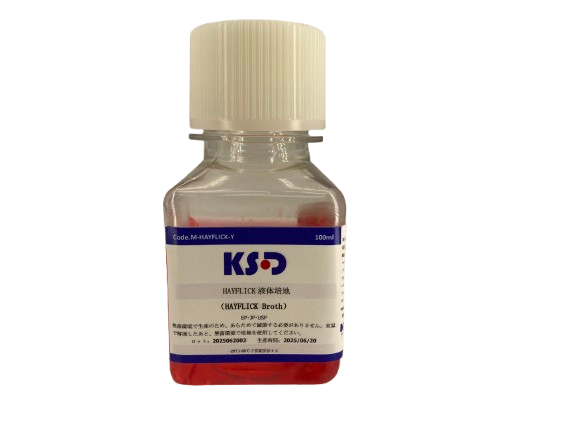
suitable for bioburden testing, For mycoplasma detectionsuitable for bioburden testing, For mycoplasma detectionsuitable for bioburden testing, For mycoplasma detectionsuitable for bioburden testing, For mycoplasma detectionsuitable for bioburden testing, For mycoplasma detectionsuitable for bioburden testing, For mycoplasma detectionsuitable for bioburden testing, For mycoplasma detectionsuitable for bioburden testing, For mycoplasma detection
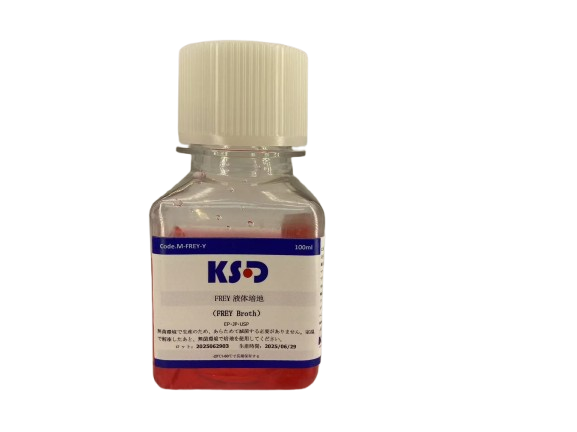
suitable for bioburden testing, For mycoplasma detection
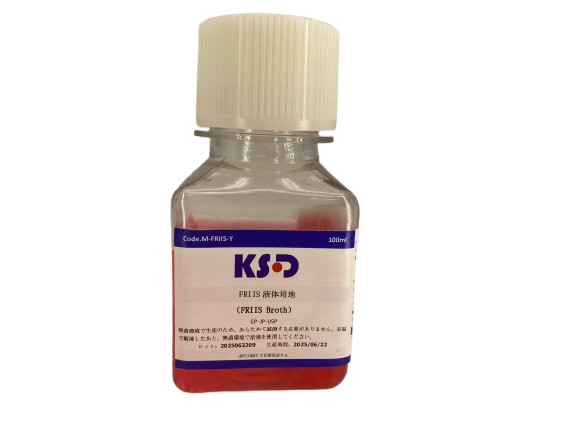
suitable for bioburden testing, For mycoplasma detection
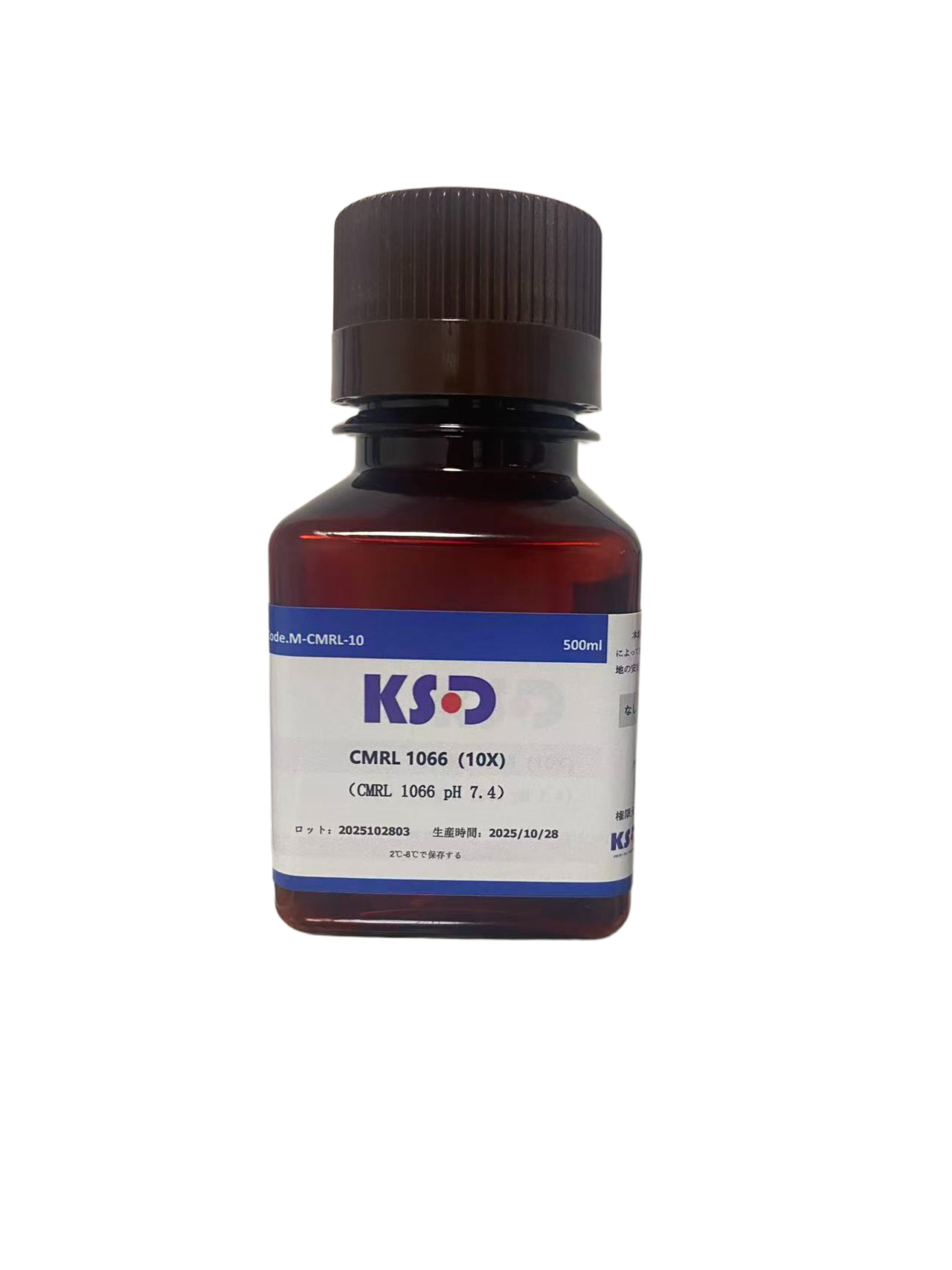
An additive suitable for cell and mycoplasma culture, at a concentration 10 times higher than the conventional concentration.
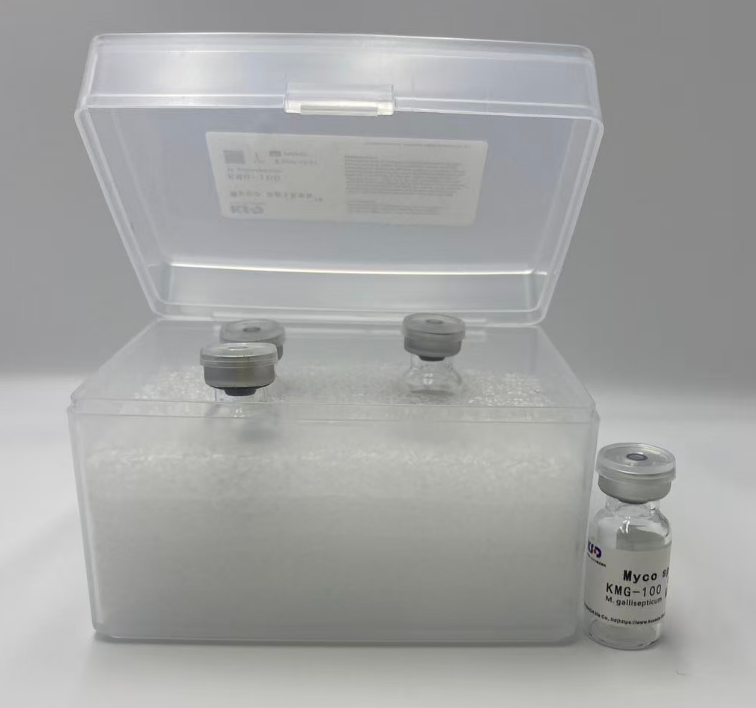
Mycoplasma gallisepticum
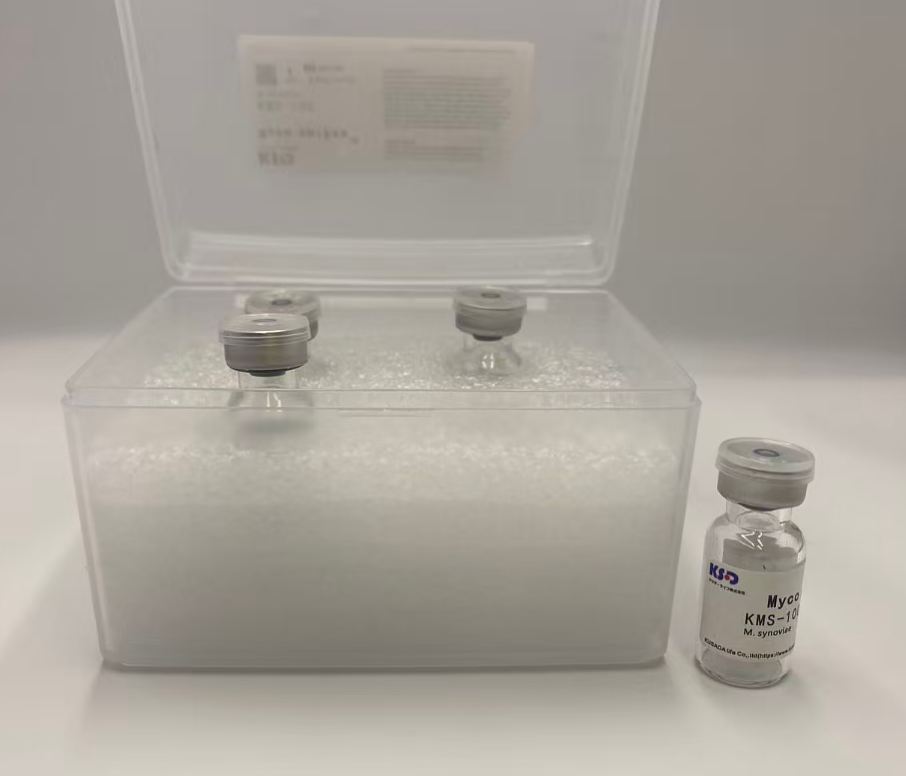
Mycoplasma salivarium